Awbury Arboretum
Nestled in the historic Germantown neighborhood of Northwest Philadelphia, Awbury Arboretum is a 56-acre green oasis with a legacy that bridges history, community, and nature. Established in 1852 by Henry Cope, a Quaker shipping merchant, civic leader, and abolitionist, Awbury began as a family estate inspired by the English village of Avebury. Over generations, the Cope-Haines family transformed the property into a year-round residence and collaborated with renowned horticulturalist William Saunders—designer of the National Cemetery at Gettysburg and the U.S. Capitol grounds—to craft a picturesque landscape in the English-garden tradition. Today, Awbury’s sweeping vistas, mature trees, and winding paths continue to offer a tranquil refuge in the heart of the city, open to the public free of charge for over a century.
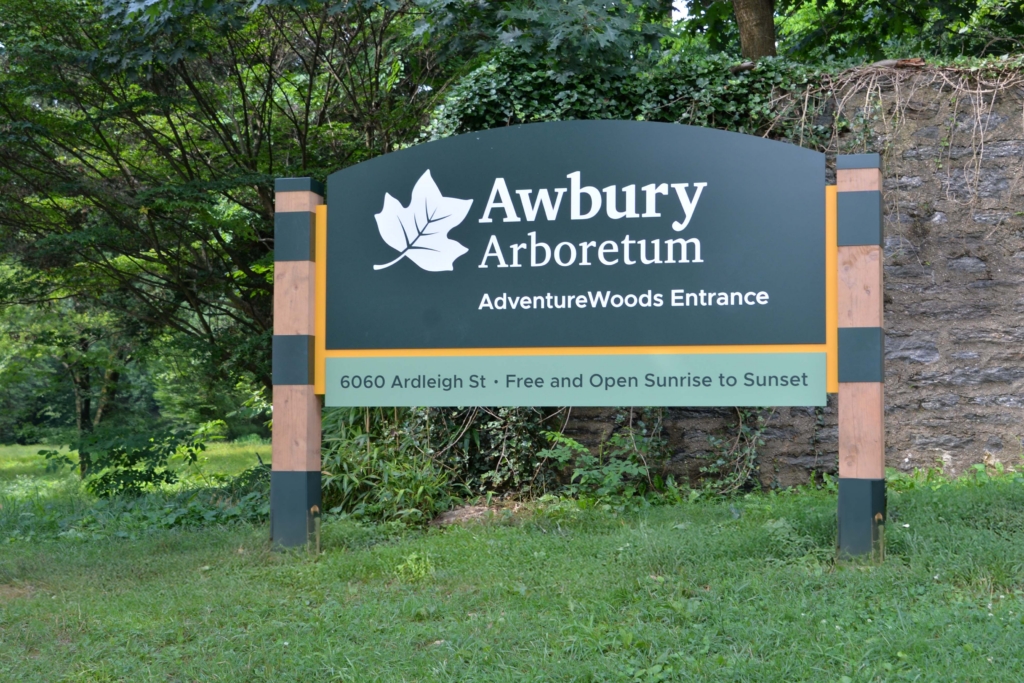
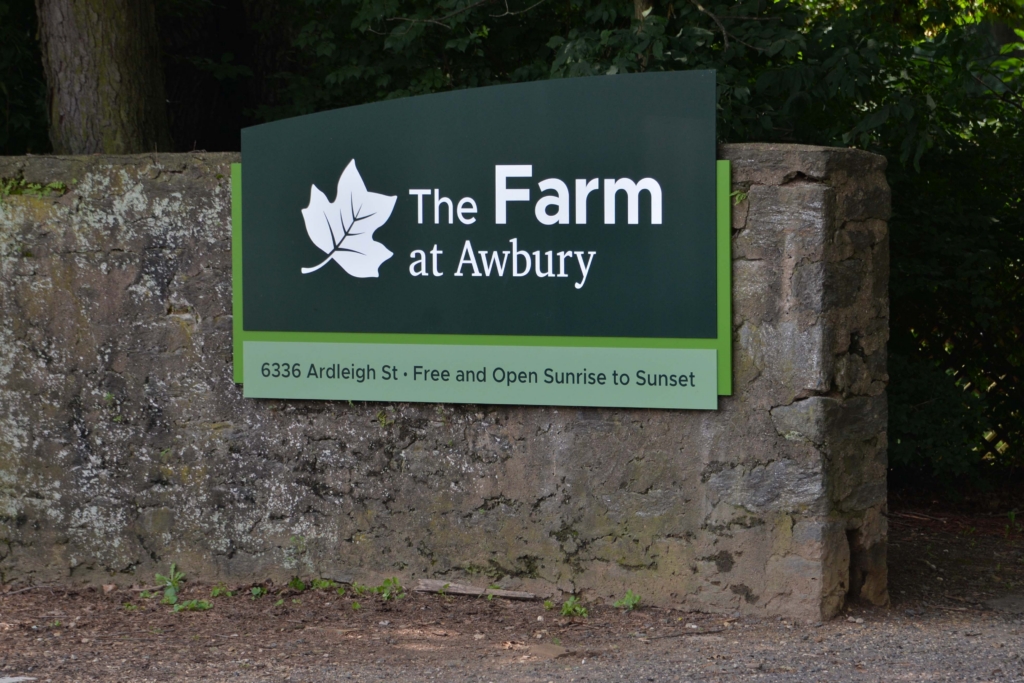
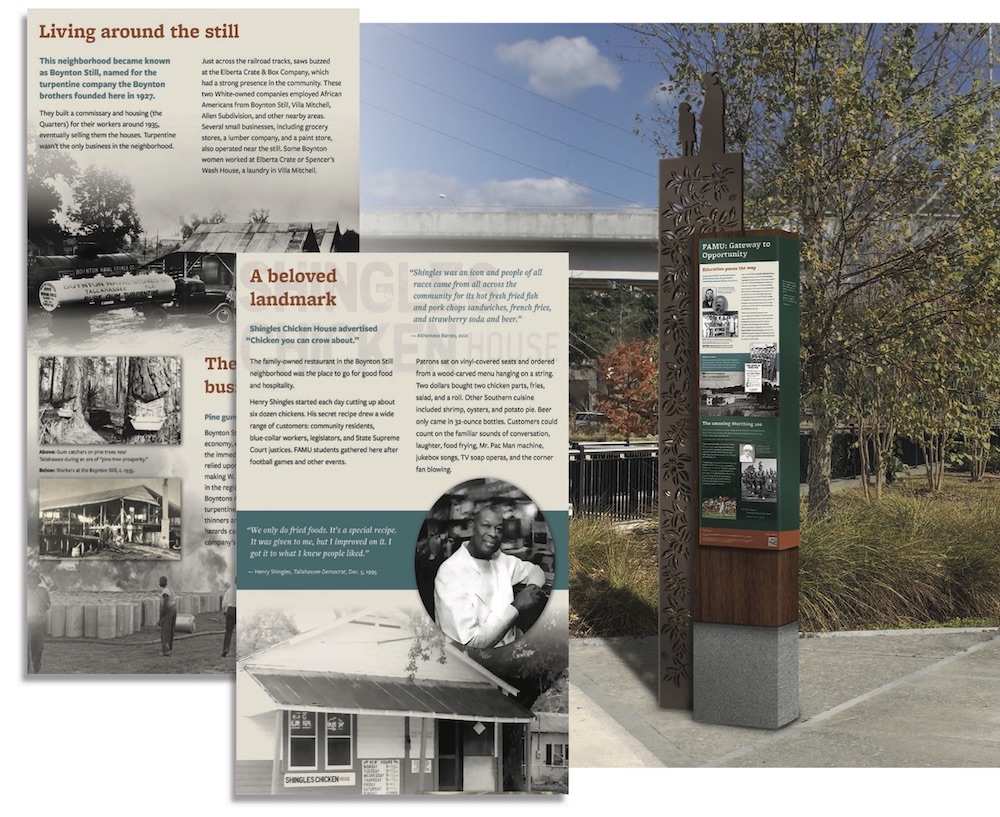
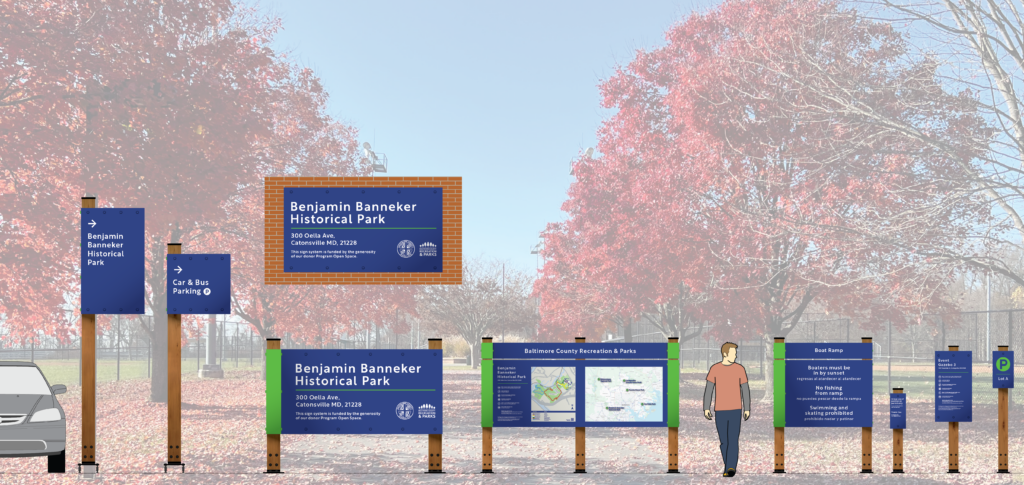
With the support of a two-year grant from the William Penn Foundation’s Creative Communities program, Awbury Arboretum embarked on a transformational project to enhance visitor access and experience through a comprehensive signage and wayfinding system. The initiative included new entrance signage, interpretive and directional signs, trail markers, kiosks with maps, and key plant markers—each designed to improve navigation, deepen storytelling, and create a more inclusive, welcoming environment for visitors of all backgrounds. The project also incorporated new hardscaping and landscaping at key arrival points to unify the site and strengthen its visual identity.
We are honored to lead the signage planning and design, collaborating closely with Awbury staff and community partners throughout the process. The resulting system includes identification, directional, and interpretive signage that reflects Awbury’s unique history and mission—helping visitors orient themselves, engage with the landscape, and better understand the Arboretum’s deep-rooted connection to its community. Together, we designed a system that celebrates Awbury’s natural beauty, reinforces its sense of place, and advances its goals of accessibility, education, and stewardship for generations to come.
Identity
Signage
Wayfinding